Hill of Humanity
Yaotsu, Gifu · 1994
In Sugihara's birthplace: a hilltop park and stone monument above the town, beside the Chiune Sugihara Memorial Hall.
Open in Maps ↗The museums and organizations that preserve Chiune Sugihara's memory, and the books, films, and articles that tell his story and the story of the Kaunas escape — in English, Japanese, and beyond.
Museums & Organizations · Memorials · Books · Films · Testimonies · Articles & Archives


Statues, monuments and parks in public space that honour the visas for life — the places where Sugihara and Zwartendijk are remembered, distinct from the museums above.
In Sugihara's birthplace: a hilltop park and stone monument above the town, beside the Chiune Sugihara Memorial Hall.
Open in Maps ↗The “Sugihara Chiune Plaza” at his old school — life-size bronze statues of Sugihara and a Jewish family, and reproductions of the visas on ceramic plates.
Open in Maps ↗A monument honouring Consul Sugihara and his wife Yukiko for the “visas of life” — one of the few that names Yukiko alongside him.
Open in Maps ↗Set on Laisvės alėja by Kaunas City for Lithuania's 2020 “Year of Sugihara,” near the hotel where he issued visas after the consulate closed.
Open in Maps ↗On the hotel where Sugihara lived, and where he went on writing visas after the consulate was ordered shut — the last of them handed out as he left the city.
Open in Maps ↗A light sculpture near the old Philips office: a column of some 2,000 LED rods, one for each Curaçao endorsement Jan Zwartendijk wrote, by designer Giny Vos. Unveiled in June 2018 by the King of the Netherlands and the President of Lithuania, with Zwartendijk's son Rob present.
Open in Maps ↗A grove planted by the Jewish National Fund (KKL) in Sugihara's honour — later found uprooted, a residential neighbourhood built over it. His son Nobuki Sugihara came to Israel over its loss, and attorney David Shor, himself the son of a visa recipient, took up the family's case. A memorial that no longer stands.
Open in Maps ↗A park beside the Shanghai Jewish Refugees Museum, honouring the ~20,000 refugees who sheltered in the ghetto — the last stop for many on the route.
Open in Maps ↗A statue of Sugihara in LA's Little Tokyo, at 192 S Central Avenue, kept by the Japanese-American community that carries his story forward.
Open in Maps ↗Ratings are what the public gave these works, read on 29 July 2026: Goodreads out of 5, IMDb out of 10 (from IMDb's own published ratings file), Rotten Tomatoes as critic and audience percentages. The number each score rests on is shown beside it — several of these books are rated by a handful of readers, which tells you almost nothing. Works nobody has rated carry no score rather than a zero. Each book links to a search for its ISBN on Amazon and eBay — a search, not a listing, so it cannot go dead or drift onto another edition, and it shows second-hand copies, which for the out-of-print titles here is the only market there is. The archive takes no commission on any of it.


Ratings are what the public gave these works, read on 29 July 2026: Goodreads out of 5, IMDb out of 10 (from IMDb's own published ratings file), Rotten Tomatoes as critic and audience percentages. The number each score rests on is shown beside it — several of these books are rated by a handful of readers, which tells you almost nothing. Works nobody has rated carry no score rather than a zero.


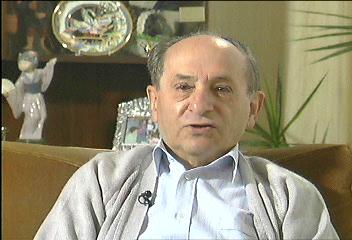
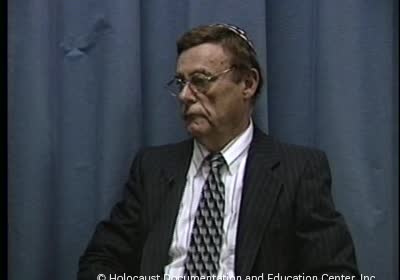
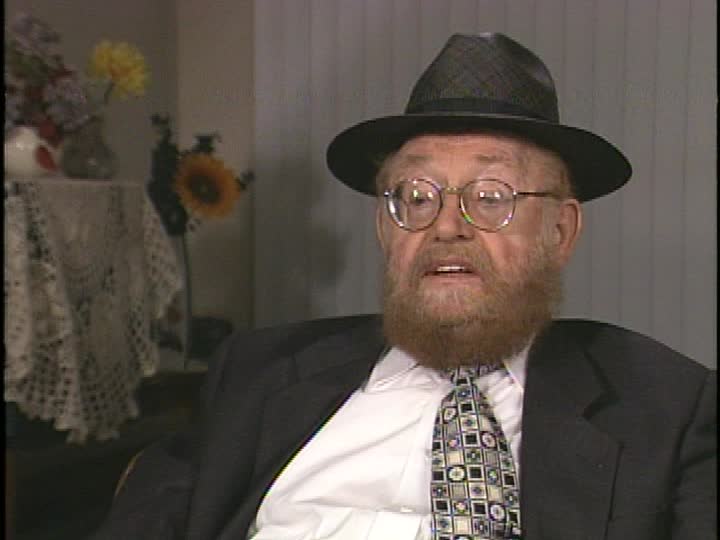
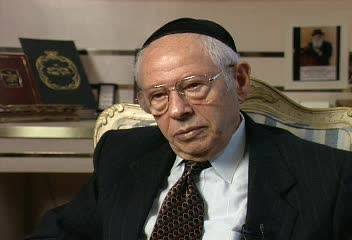
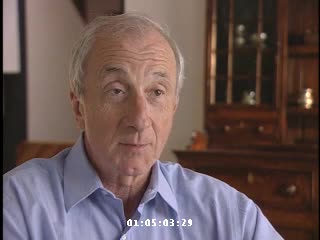
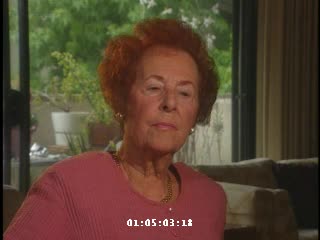
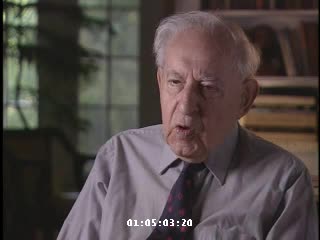
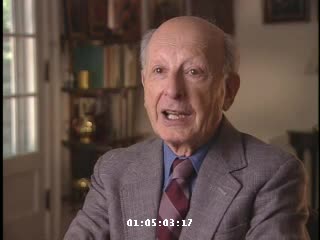
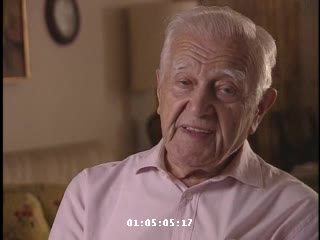
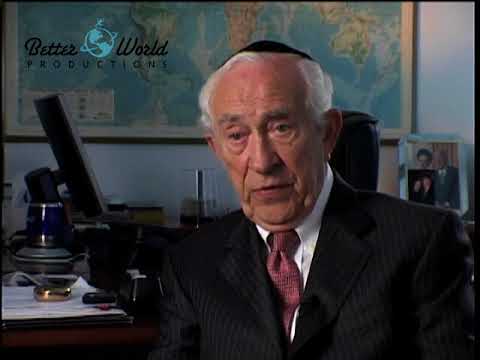
People who made the journey, and their children, telling it on camera. Each picture is the still the holding archive shows in its own catalogue; click it to go to the interview there. The register entries under a name are the visas that interview belongs to. The stills are shown with credit to the archives that hold them, and any of them comes down the same day on request.
Recorded from 1994 onward. Watching needs a free registration at the Visual History Archive.

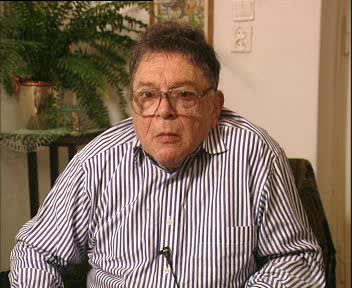


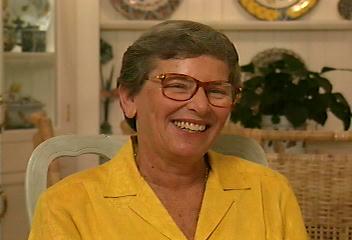


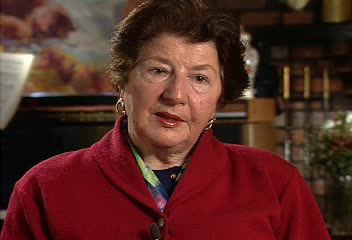

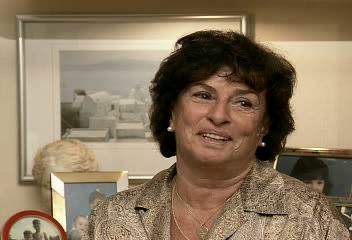


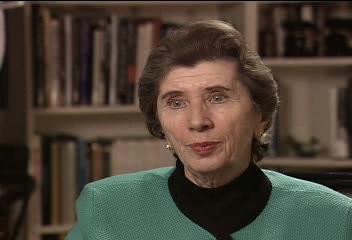

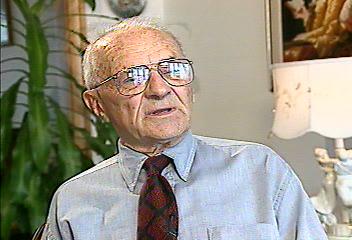
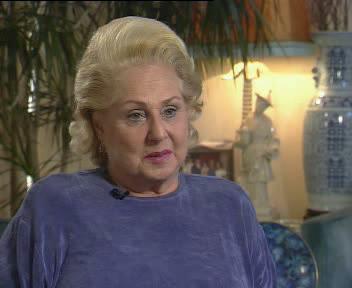
Recorded for the museum's exhibition on the Lithuania → Japan → Shanghai escape; free to watch.
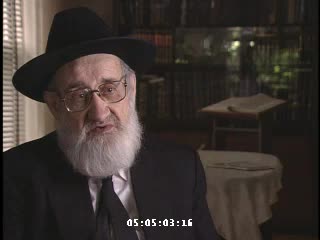
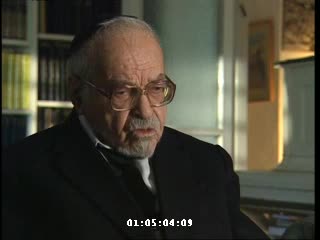
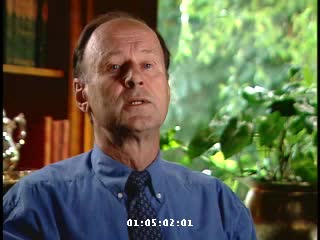
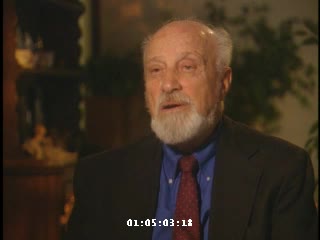
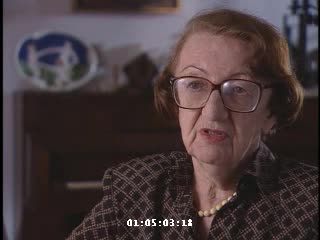
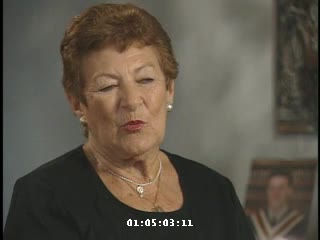
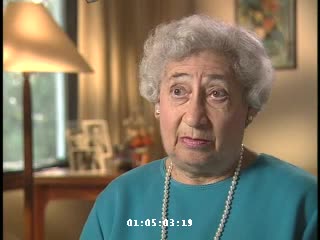
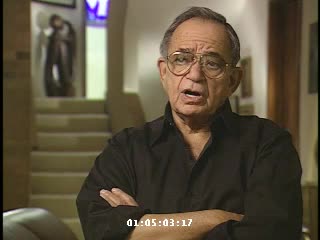
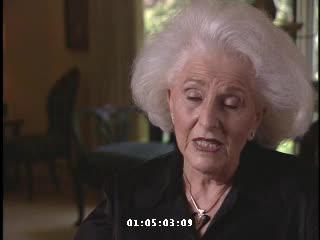
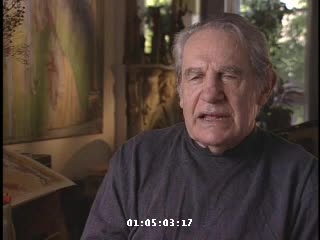
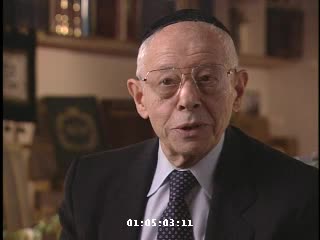
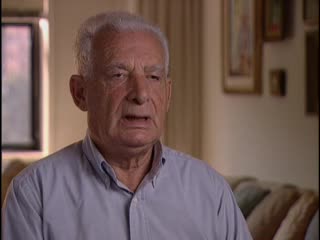

A reader's compass for Shanghai sources: two distinct refugee populations shared that city, and most archives mix them. Some 18,000 German and Austrian Jews sailed directly to Shanghai in 1938–39 — no visa was needed to land there — after Kristallnacht closed every other door. The Sugihara register's people came the other way and later: Polish and Lithuanian Jews crossing the Soviet Union by rail in 1940–41 on the Curaçao fiction and Sugihara's transit visas, reaching Kobe first, with roughly a thousand transferred on to Shanghai before Pearl Harbor. A Shanghai memoir, certificate or route that begins with a German city and a 1938–39 sailing is almost never a register family — but the two communities lived the ghetto years side by side, so their records constantly touch.
Every document in this archive belongs to someone else. These are the museums, collections, archives, dealers and — above all — families whose material makes the register possible. Counts are of documents drawn from each, and grow as the archive does.
Out-of-print books link to an eBay search. Know a museum, book, film, or article we've missed — in any language? Tell us and we'll add it.
Museum photographs via Wikimedia Commons: Chiune Sugihara Memorial Hall — 先従隗始 (CC0) · Sugihara House, Kaunas — Bonio (CC BY-SA 3.0) · Port of Humanity Tsuruga Museum — 663highland (CC BY 2.5) · Portrait of Chiune Sugihara — Ministry of Foreign Affairs of Japan 外務省 (CC BY 4.0) · Yad Vashem — Sugihara's plaque, Garden of the Righteous — Yoshi Canopus (CC BY-SA 4.0) · United States Holocaust Memorial Museum — Smash the Iron Cage (CC BY-SA 4.0). Book jackets and film posters are reproduced at thumbnail size to identify the editions and releases and link to their publishers, studios and distributors; all rights remain with them and with the cover artists.