

Who was Chiune Sugihara?

Photograph courtesy of the Sugihara family.
Chiune Sugihara (1900–1986) was Japan's acting consul in Kaunas, Lithuania — the man remembered today as the “Japanese Schindler.” In 1985 Yad Vashem named him Righteous Among the Nations. This is what he did in the summer of 1940.
Three months, a rubber stamp, and a conscience
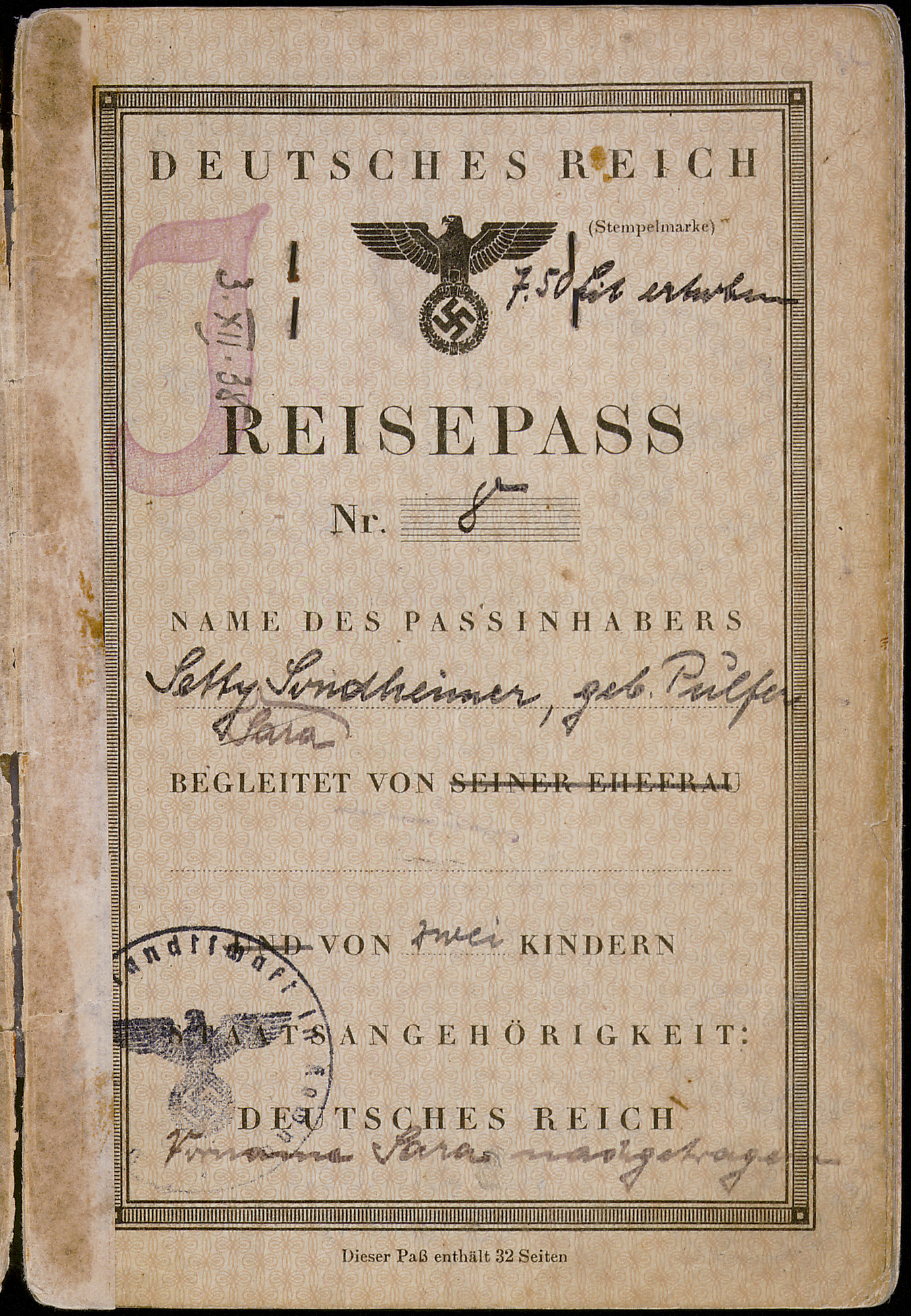
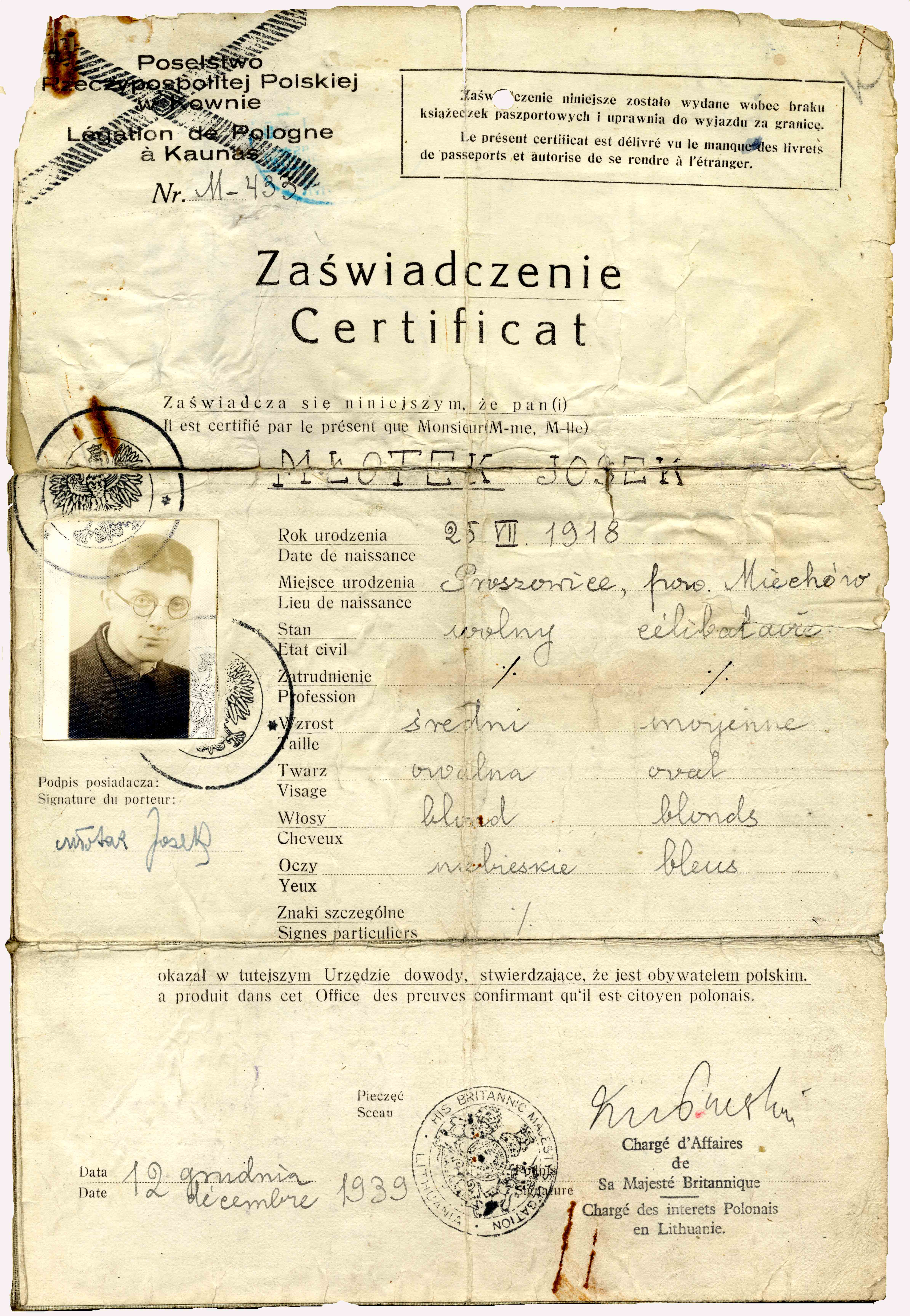
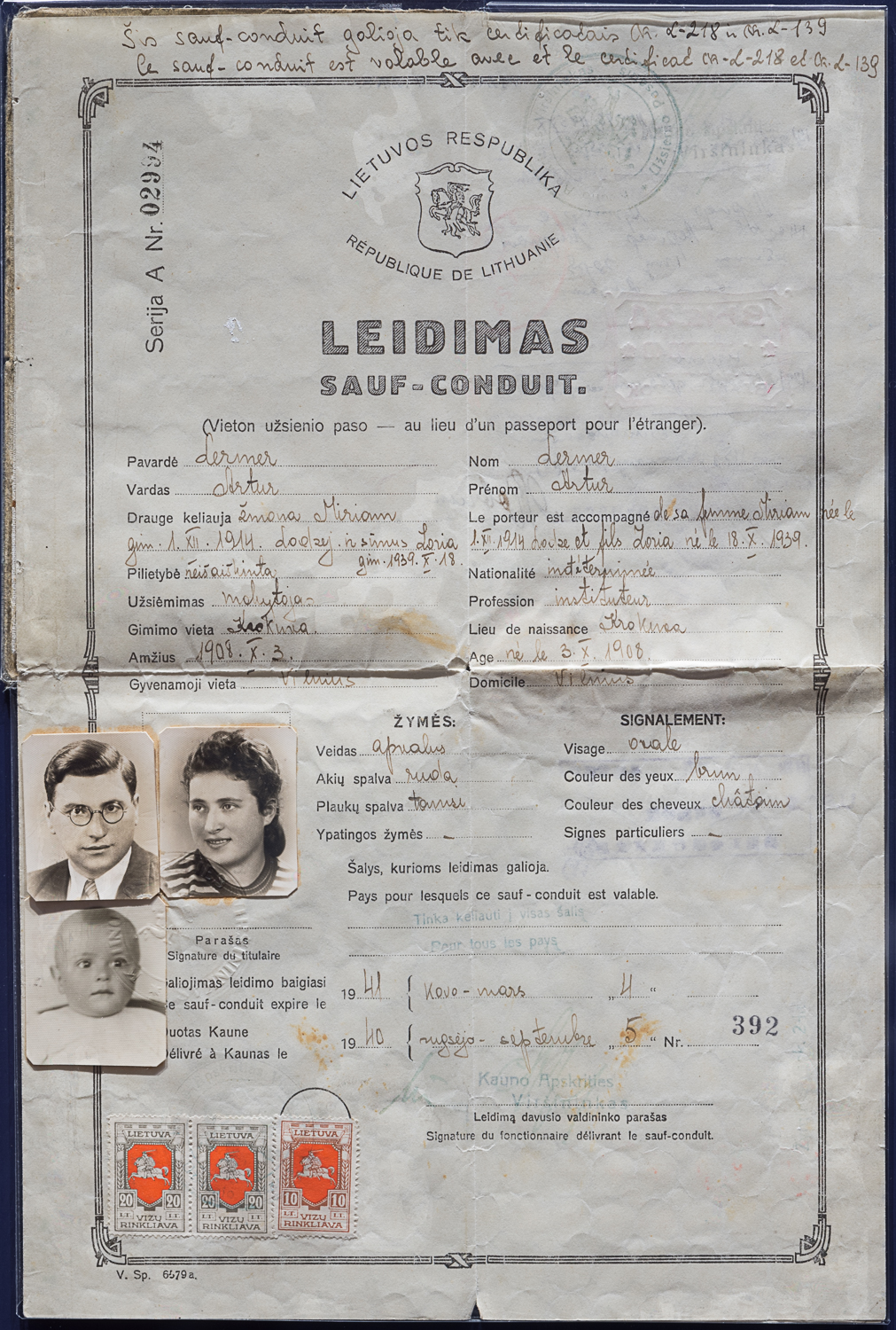
By the summer of 1940 the trap had closed. Germany held the west; in June the Soviet Union annexed Lithuania. Thousands of Jewish refugees — many already once uprooted from Poland — were stranded in Kaunas with nowhere legal to go. One by one, the consulates shut their doors.
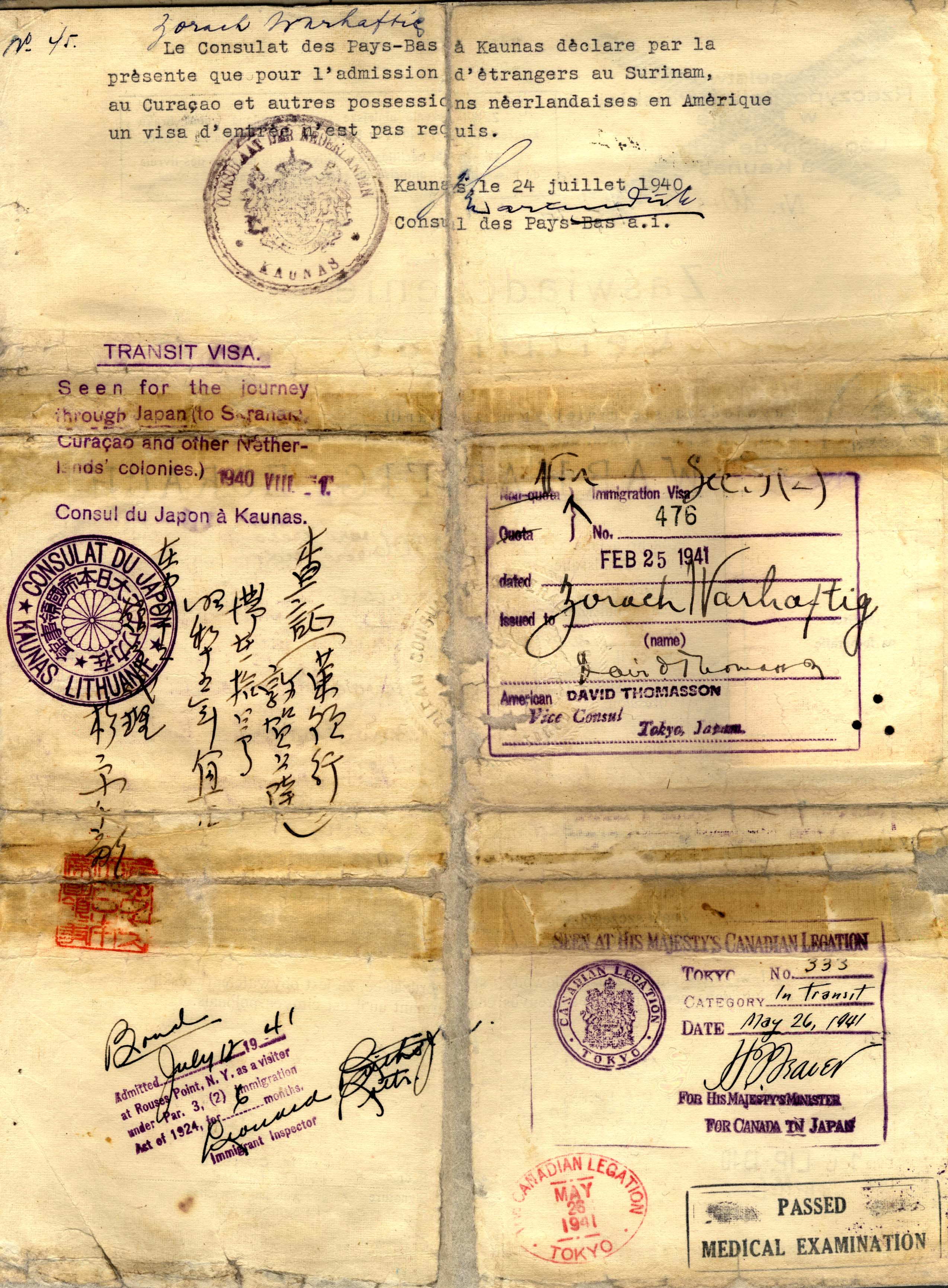
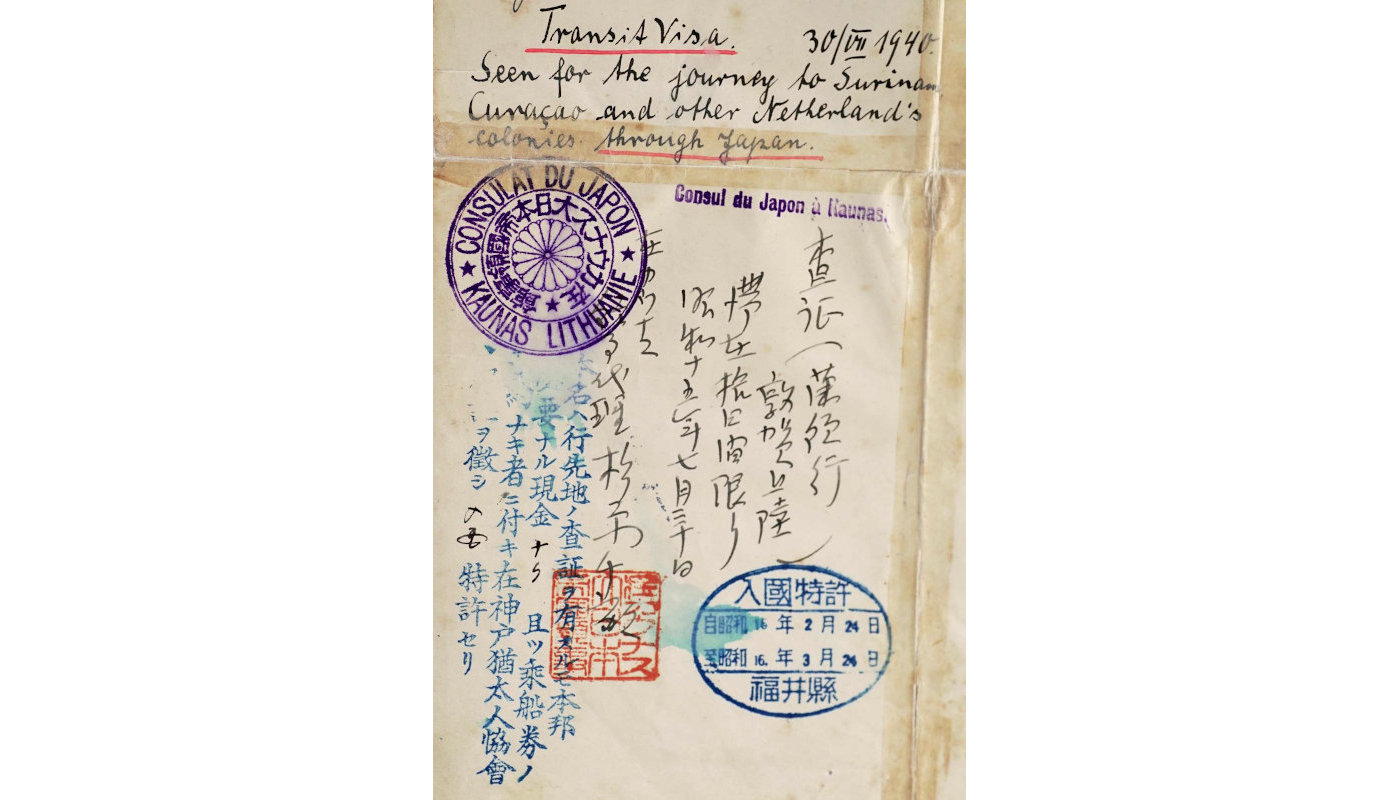
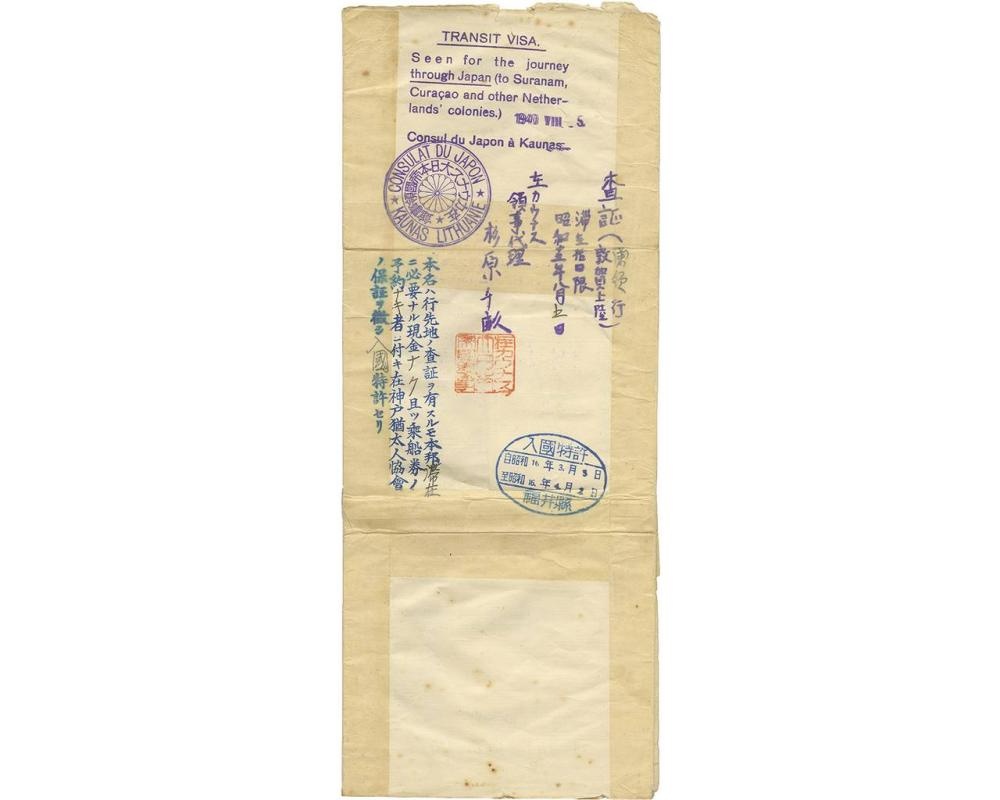
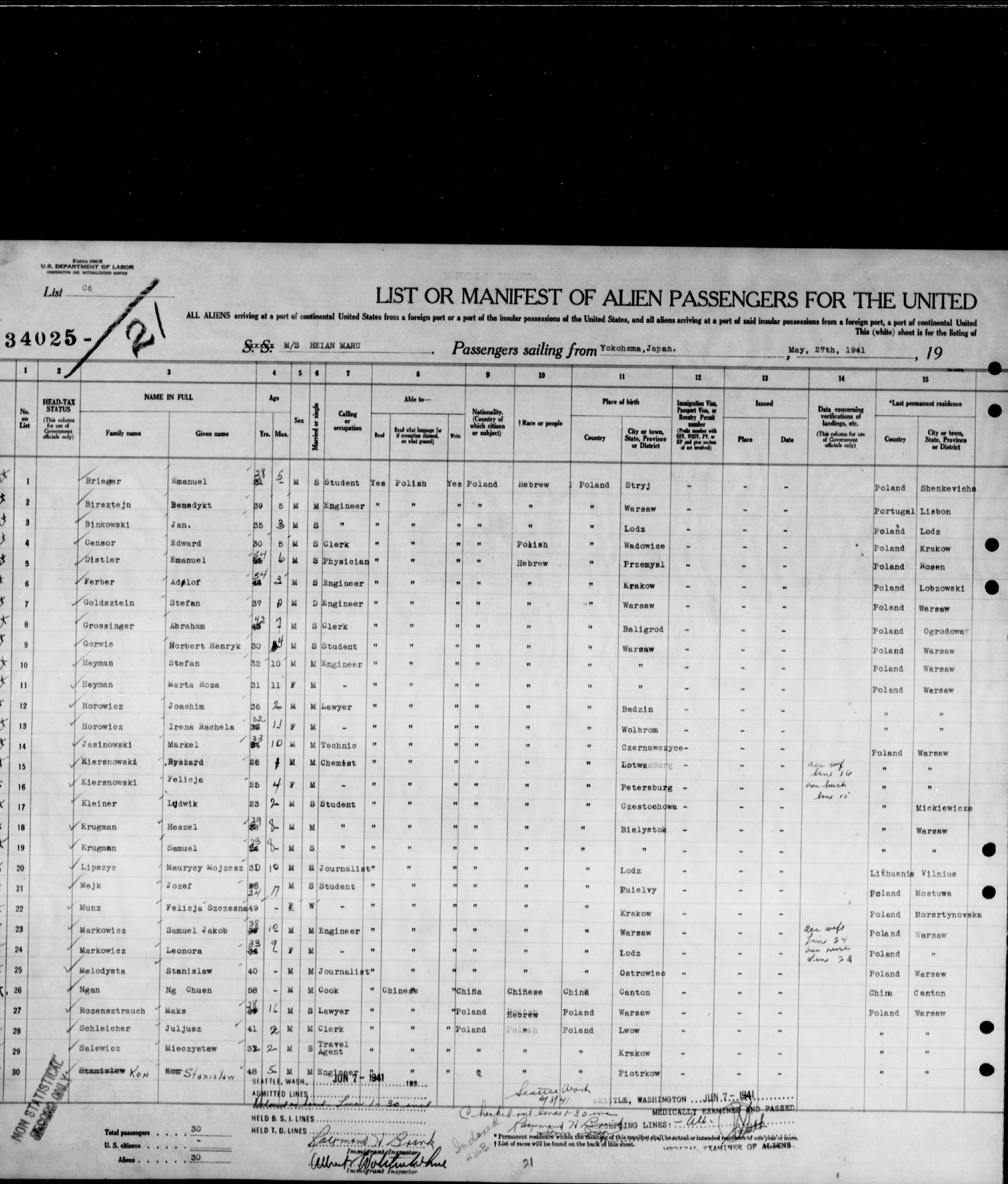
Two stayed open a crack. The Dutch honorary consul, Jan Zwartendijk, realised the Caribbean colony of Curaçao required no formal visa and began endorsing passports for it. But to reach it a refugee had to cross the entire Soviet Union — and for that they needed a Japanese transit visa.
“I may have to disobey my government, but if I don't, I would be disobeying God.”— Chiune Sugihara
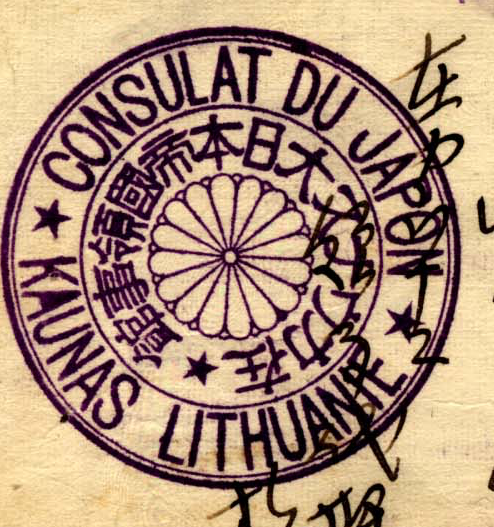
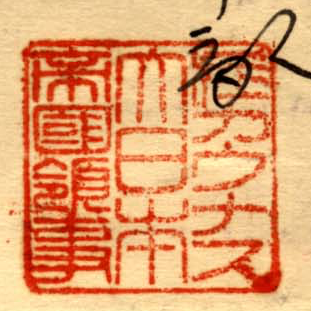
Sugihara, Japan's acting consul in Kaunas, cabled Tokyo three times for permission. Three times the Foreign Ministry refused. He decided to write the visas anyway. For some six weeks — often eighteen hours a day, his hand cramping, his wife Yukiko kneading it at night — he signed transit visa after transit visa, passing them through the consulate gate and, at the last, from the window of the departing train as he was recalled on 4 September 1940.
A note on the sources. The account above follows the Sugihara family's own published telling, in Yukiko Sugihara's memoir Visas for Life. Some of its details — the exchanges with Tokyo, and when and where the last visas were written — are disputed among the recipients of the visas, their descendants, and members of Sugihara's family, who do not all remember it the same way or read the surviving documents the same way. The archive keeps the published account and records that it is contested, rather than quietly choosing between them.
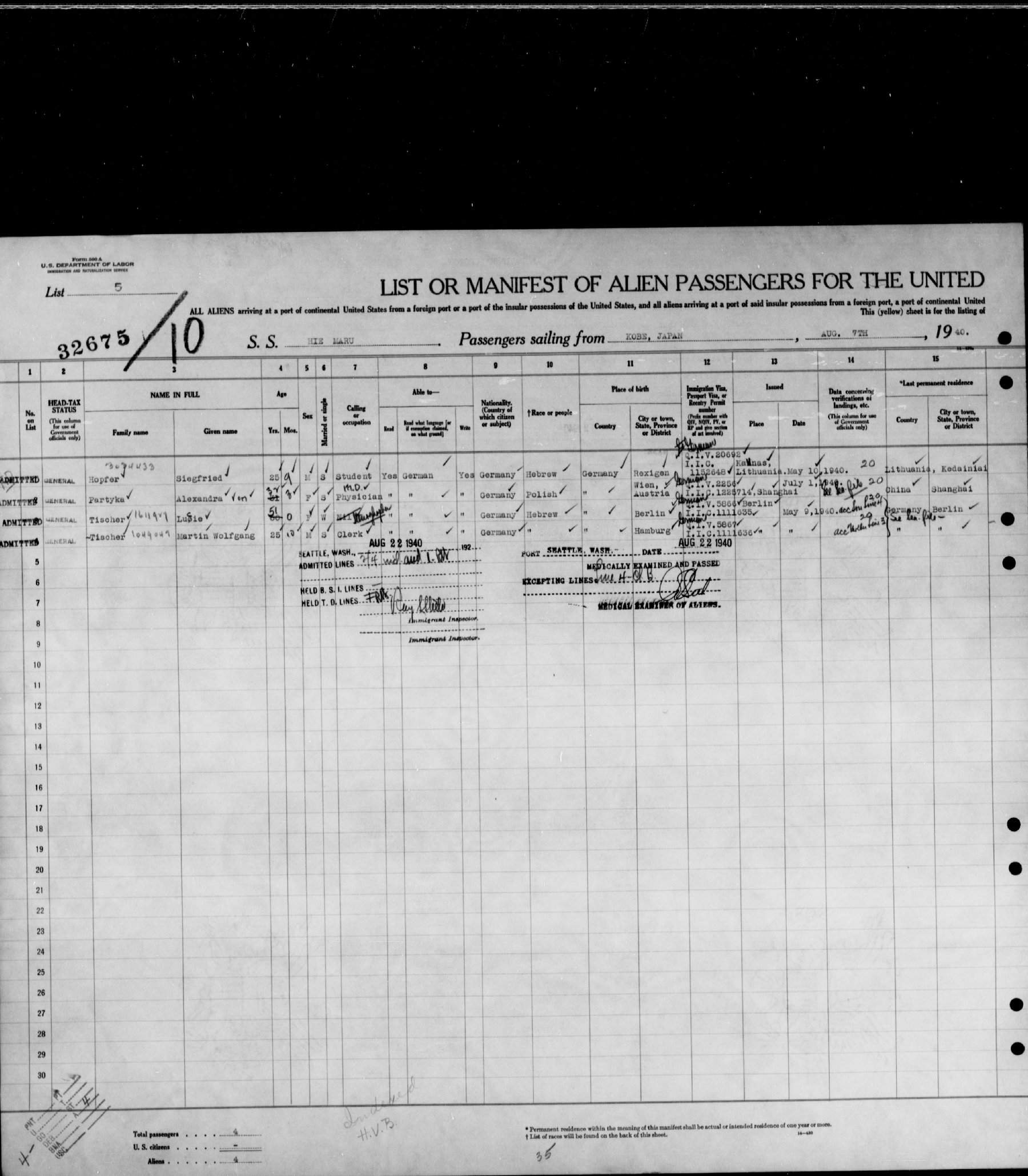
A single visa could carry a whole family. Those who held one began an improbable journey east — by rail across Siberia to the Pacific, and onward to refuge scattered across the world. This archive follows them by name, matching Sugihara's own list against the documents and stories their descendants have kept.